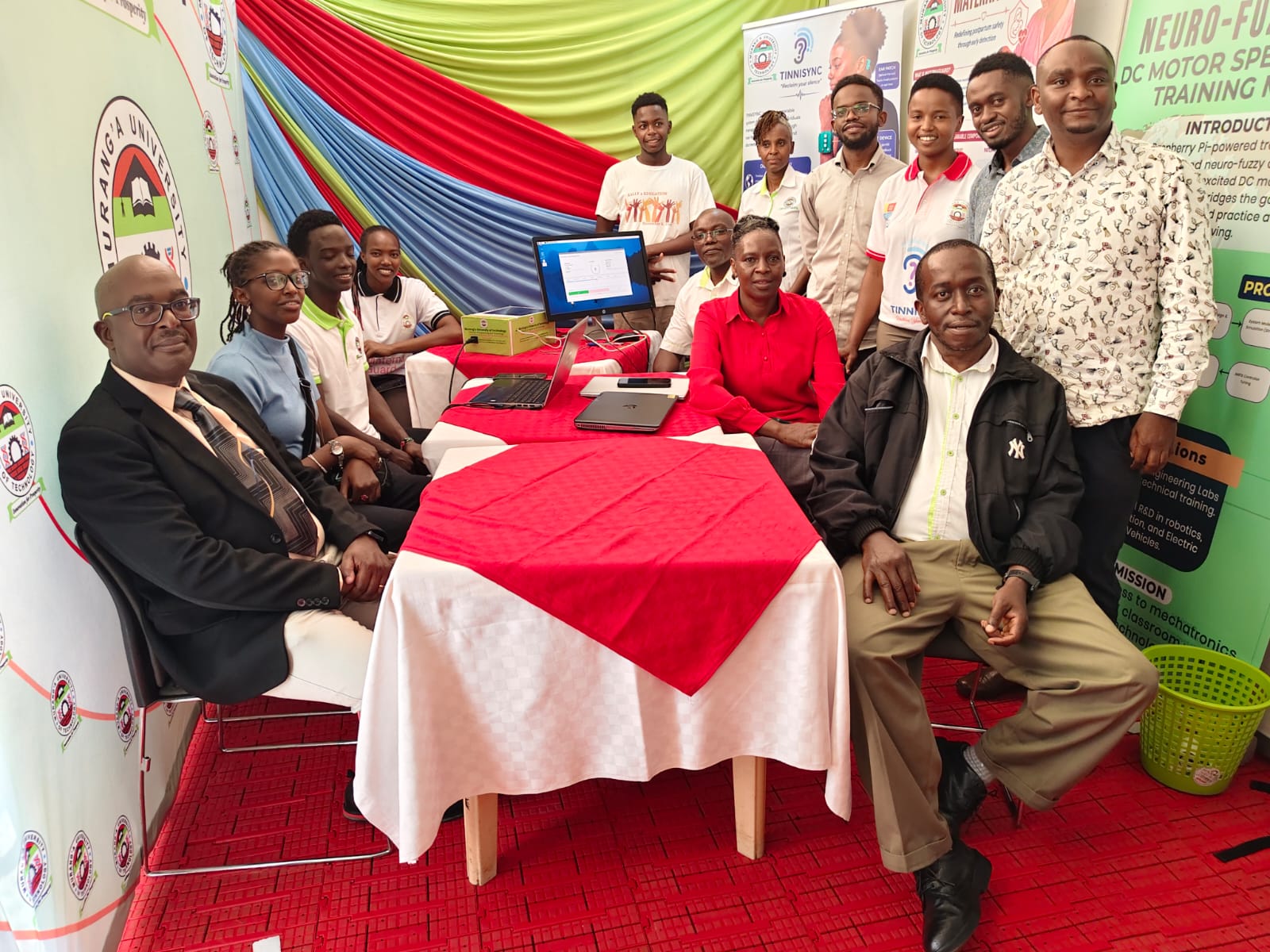
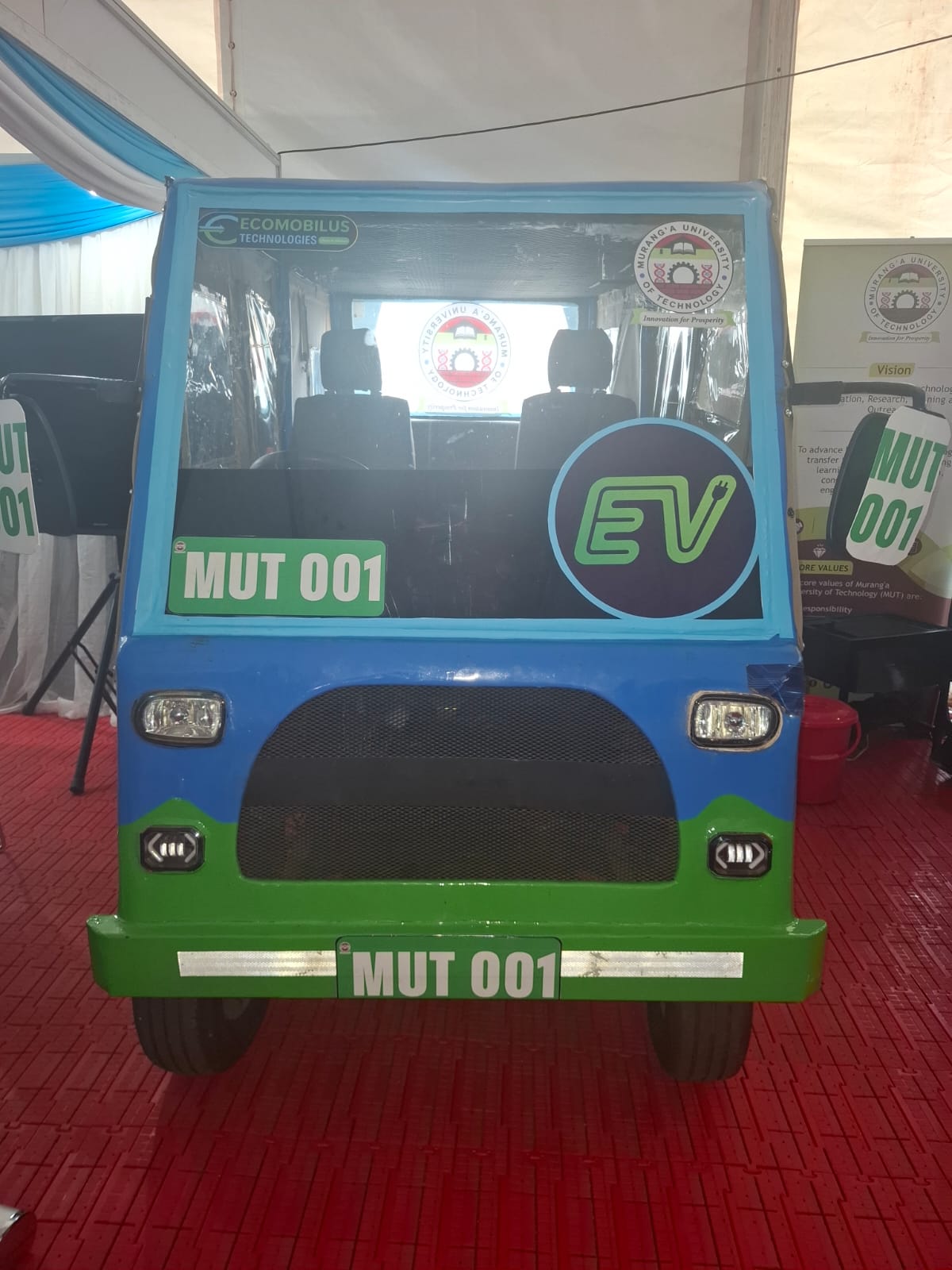
At the STRI4Society Week 2026, Murang’a University of Technology (MUT) shifted from theory to practice, showcasing a powerful ecosystem of applied innovations designed to solve real African challenges.
The Main Attraction: The MUT001 Electric Vehicle
The MUT001 EV wasn’t just a prototype—it was a statement. More than just a vehicle, this locally developed electric mobility platform symbolizes MUT’s confidence in designing indigenous solutions. It represents a move from just studying imported systems to actively building them, serving as a tangible source of inspiration for the next generation of African engineers.
🔬 Spotlight on Key Innovations
The event was a testament to engineering for impact, with seven standout solutions on display:
· 🏥 MaternaGuard (Smart Healthcare): A wearable device that detects postpartum hemorrhage and monitors vital signs in real-time, tackling a leading cause of maternal mortality in low-resource settings.
· ⚙️ Solar-Powered DC Sand Screening Machine (Green Construction): An off-grid, portable machine powered by solar PV, offering a sustainable alternative to manual labor and diesel-powered equipment for rural construction.
· 🧠 Neuro-Fuzzy Control Training Module (Intelligent Automation): A Raspberry Pi-powered “Lab-in-a-Box” that makes advanced AI-driven industrial control education accessible, delivering a 65% cost saving over conventional training equipment.
· 📱 BizSawa (AI for MSMEs): An AI-powered operating system for micro-enterprises, integrating sales, stock, M-Pesa, and Kiswahili AI coaching, designed to solve the lack of structured decision support that causes many small businesses to fail.
· 🦻 TINNISYNC (Smart Tinnitus Management): A discreet wearable system that monitors head posture and provides haptic feedback to help the 65-80% of tinnitus sufferers who have the somatic form, improving their quality of life.
· 🚜 Limika Smart Farm (Precision Agriculture): A project reimagining farming as a tech-enabled investment ecosystem using automation, drone surveillance, and data—aiming to attract youth to agriculture.
📈 The Bigger Picture: A New Model for African Engineering
What truly stood out was the relevance. These solutions are emerging from a quiet but profound shift in engineering education: moving from “learning about systems” to “building systems that solve African problems.”
The event highlighted the diversity of this pipeline—spanning AI, mobility, healthcare, and manufacturing—proving that real societal challenges rarely fit within a single discipline.
While the creativity was evident, the main challenge remains the transition from prototype to sustainable enterprise. The consensus at the event was clear: universities must evolve their innovation offices into venture support ecosystems and commercialization accelerators to ensure these brilliant ideas reach the market and improve lives.